
Vehicle Scrappage Policy India 2025 — The Complete Guide
Everything you need to know about eligibility, incentives, and the scrapping process under India's National Vehicle Scrappage Policy.
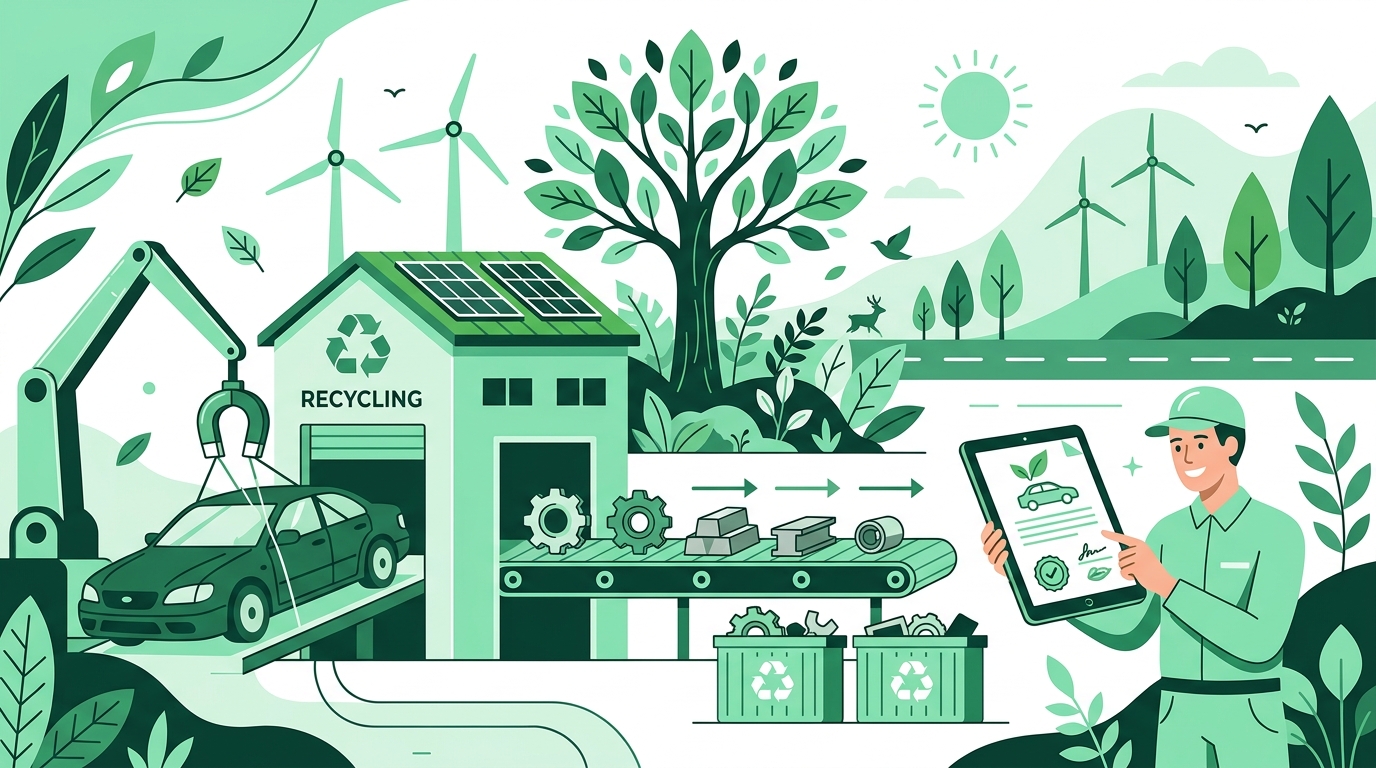
India's National Vehicle Scrappage Policy, notified by the Ministry of Road Transport and Highways (MoRTH) in 2021, is one of the most significant regulatory changes for vehicle owners in the country. If you own a car that's 10–15 years old, this policy directly affects you — and understanding it can mean the difference between losing money and claiming thousands of rupees in incentives.
What Is the Vehicle Scrappage Policy?
The policy's core goal is to systematically retire India's aging, high-polluting vehicle fleet in an organised and environmentally responsible way. Older vehicles — especially those running on pre-BS4 or pre-BS6 norms — contribute disproportionately to air pollution and road safety risks. The scrappage policy creates a structured exit path for these end-of-life vehicles (ELVs), routed through government-authorised Registered Vehicle Scrapping Facilities (RVSFs).
Does the Policy Apply to Your Car?
Whether your vehicle falls under the policy depends on its fuel type and age:
| Petrol cars | Mandatory fitness test after 15 years |
| Diesel cars | Mandatory fitness test after 10 years |
| Government vehicles | Registration cannot be renewed beyond 15 years (mandatory from April 2022) |
| Commercial vehicles | Automated fitness test after 8 years |
A vehicle that fails its Automated Vehicle Fitness Test (AVFT) cannot be re-registered. At that point, scrapping through an RVSF is the only legal route to close out ownership and cancel your RC.
What Incentives Can You Claim?
This is where the policy genuinely works in your favour. When you scrap your car through an RVSF and receive a Certificate of Deposit (CD), you unlock:
- Manufacturer discount of 4–6% on a new vehicle purchase
- Road tax rebate of up to 25% from the state government on your new vehicle
- Registration fee waiver — applicable in many states
- Scrap metal value of ₹15,000–₹75,000+ depending on your vehicle make and weight
What Is a Certificate of Deposit?
The Certificate of Deposit (CD) is the most important document in the scrappage process. It's issued by the RVSF once your vehicle is physically accepted and processed at the facility. Without a CD, you cannot claim any government incentive, and your RC deregistration cannot be processed. This is the document that legally transfers responsibility of the vehicle away from you.
Why Scrapping Through an RVSF Matters
Selling your car to an informal scrap dealer might feel simpler, but it leaves you legally exposed. Until your RC is officially deregistered, you remain the registered owner of the vehicle — responsible for any challans, accidents, or penalties it incurs. An informal buyer cannot process RC deregistration. Only an RVSF-sourced Certificate of Deposit enables this, through the Vahan portal and your local RTO.
How AfterCarz Fits In
AfterCarz connects vehicle owners directly with authorised RVSF partners across Delhi, Mumbai, Bangalore, Pune, Hyderabad, and Chennai. We handle the quote, coordinate doorstep pickup, ensure your car reaches the right facility, and support you through RC cancellation — end to end. You get the scrap value, the CD, and the peace of mind that the vehicle is legally off your name.